
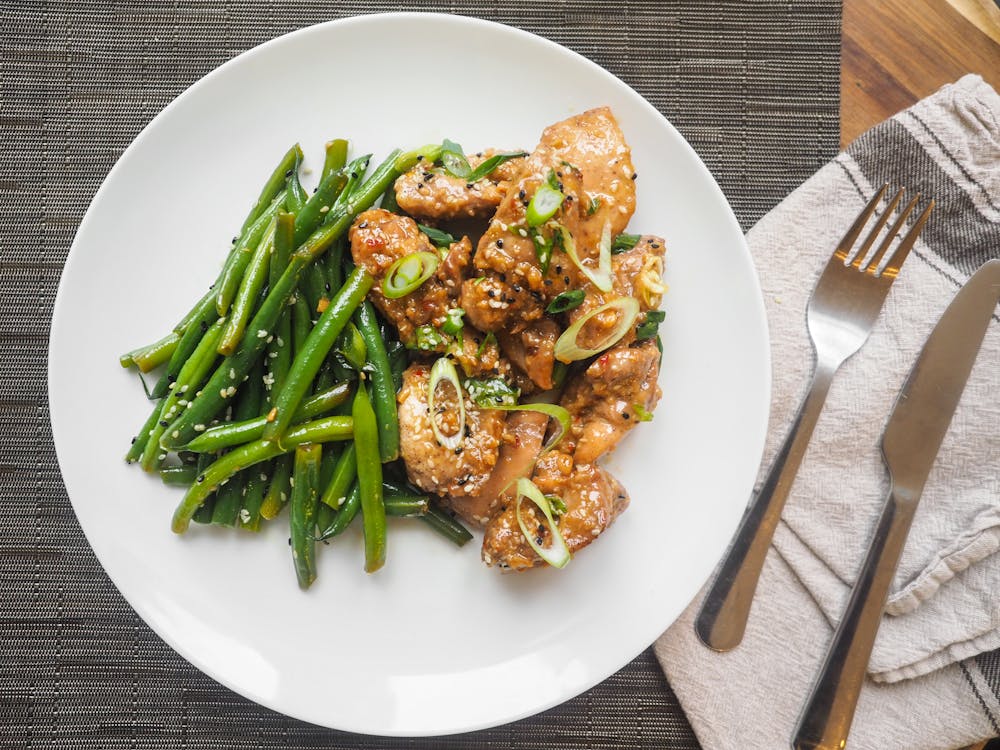
Gathering around the dinner table with loved ones is a cherished tradition that holds a special place in many of our hearts. However, the daily routine of deciding what to cook can be overwhelming and stressful. That’s where family meal planning comes in.
In this article, I will provide you with valuable insights and practical tips for simplifying the family meal planning process. From the importance of nutritious meals to the benefits of batch cooking, you’ll have everything you need to create effortless family dinners that delight and nourish your household.
Key Takeaways
- Family meal planning ensures that your family consumes nutritious meals and saves time.
- Creating a weekly schedule and comprehensive shopping list will streamline the process.
- Meal prep and batch cooking are powerful tools for simplifying family meal planning.
- There are numerous family-friendly recipes and options for accommodating dietary restrictions and allergies.
- Sharing mealtime with family is a valuable opportunity to connect and foster relationships.
The Importance of Family Meal Planning
It’s easy to get caught up in the day-to-day and neglect the important family moments. Mealtime is one of those opportunities where families can come together and create lasting memories. That’s why family meal planning is so important.
Planning out your family’s meals not only ensures that you are providing them with nutritious meals, but it also saves you time and eliminates the stress of trying to figure out what to cook each day. With a little preparation, you can provide your family with healthy, delicious meals that everyone will enjoy.
Through family meal planning, you can also teach your children the importance of healthy eating habits and empower them to make positive choices. Plus, it’s a great way for families to bond and catch up on each other’s days without the distraction of screens or other activities.
The Benefits of Family Meal Planning
| Benefits | Details |
|---|---|
| Healthier Meals | Planning meals in advance allows families to make healthier choices and ensure they are getting all the nutrients they need. |
| Time-Saving | Meal planning saves time in the long run by reducing the need for last-minute trips to the grocery store or deciding what to make for dinner each night. |
| Cost-Effective | Meal planning allows families to create a budget and make cost-effective decisions when shopping for groceries. |
| Reduces Stress | Eliminating the stress of meal decision-making and ensuring that meals are already prepared can improve overall well-being for everyone in the household. |
Overall, family meal planning is an essential aspect of family life that provides numerous benefits for parents and children alike. By prioritizing family meals and taking the time to plan them out, you can create meaningful experiences, nourish your family’s health, and reduce stress in your daily life.
Getting Started with Family Meal Planning
Meal planning can seem daunting, but by following a few simple steps, it can become a seamless part of your routine.
Creating a Weekly Meal Schedule
Start by deciding on the number of meals you want to plan for the week. Consider factors such as family size, work schedules, afterschool activities, and dinner guests. Once you’ve determined the number, use a printable meal planning template or a digital tool such as Google Sheets to create your schedule.
When choosing meals, prioritize quick and easy recipes for busy days and more elaborate dishes for weekends or days with more free time. Don’t forget to include some family favorites and new recipes to try.
Grocery Shopping Made Easy

A comprehensive grocery list can save you time and prevent unnecessary trips to the store. Before making your list, check your pantry and fridge to see what items you already have.
If you prefer online shopping, grocery delivery services such as Instacart or Amazon Fresh can make the process even more convenient.
Meal Planning Tips
- Be flexible: Don’t stress if your schedule changes during the week. Simply adjust your meals accordingly or switch meals between days.
- Reuse ingredients: Plan meals that use similar ingredients to reduce waste and save money.
- Plan for leftovers: Cook extra portions for the next day’s lunch or a quick dinner when time is tight.
Meal Prep and Batch Cooking
Meal prep and batch cooking are highly effective strategies for simplifying family meal planning. By dedicating a few hours each week to preparing ingredients and cooking in bulk, you can save yourself valuable time during busy weekdays and ensure that your family always has a healthy and delicious meal ready to go. There are numerous benefits to incorporating meal prep and batch cooking into your routine, including:
- Time-saving: Spending a few hours once a week or once every few days on meal prep and batch cooking can save you time during the hectic workweek. You’ll be able to quickly and easily assemble meals, eliminating the need to cook from scratch every night.
- Money-saving: Buying ingredients in bulk for batch cooking can be more cost-effective than buying smaller quantities on a daily basis. You can also reduce food waste by using up ingredients that might otherwise go unused.
- Health benefits: By preparing your own meals, you’ll have control over the ingredients and can ensure that your family is eating nutritious, balanced meals. Preparing healthy meals in advance can also help you avoid the temptation of quick and unhealthy takeout or fast food options during busy weekdays.
- Freezer-friendly: Many meal prep and batch cooking recipes are freezer-friendly, which means you can make big batches of your favorite dishes and freeze them for later. This makes it easy to always have a quick and easy meal on hand, even on the busiest of days.
Meal Prep Strategies
When it comes to meal prep, there are a few key strategies to keep in mind:
- Plan ahead: Before you begin your meal prep, create a plan for what meals you want to make and what ingredients you’ll need. This will help you stay organized and ensure that you have everything you need on hand.
- Prep ingredients: Take the time to wash, chop, and portion out ingredients in advance. This can include things like slicing vegetables, cooking rice or pasta, or marinating meat.
- Use bulk cooking methods: Batch cook ingredients like chicken, beef, or roasted vegetables, and store them in containers in the fridge or freezer until you’re ready to use them.
- Invest in storage containers: Make sure you have plenty of storage containers, such as glass or BPA-free plastic, with tight-fitting lids, to keep your prepped ingredients and meals fresh.
Freezer-Friendly Batch Cooking Ideas
| Meal | Ingredients | Cooking Method |
|---|---|---|
| Turkey Chili | Ground turkey, onion, garlic, canned tomatoes, canned beans, chili powder, cumin, salt, pepper | Stovetop |
| Beef Stew | Beef chuck, onion, garlic, carrots, celery, potatoes, beef broth, red wine, tomato paste, thyme, salt, pepper | Slow cooker or stovetop |
| Chicken Cacciatore | Chicken thighs, onion, garlic, bell pepper, canned tomatoes, chicken broth, mushrooms, oregano, thyme, salt, pepper | Slow cooker or stovetop |
| Baked Ziti | Ziti pasta, Italian sausage, onion, garlic, canned tomatoes, ricotta cheese, mozzarella cheese, parmesan cheese | Oven |
These freezer-friendly batch cooking ideas are perfect for prepping in advance and storing for later use. Take some time on the weekend to whip up a big batch of one of these recipes, then store it in an airtight container or freezer bag in the freezer. When you’re ready to use it, simply thaw and reheat for a quick and delicious meal.
Exploring Family-Friendly Recipes
Are you tired of cooking the same meals over and over again? Let me help you shake things up with new and exciting family-friendly recipes that are sure to please everyone at the table.
Kid-Friendly Recipes
Are your little ones picky eaters? Don’t worry; I have got you covered with kid-friendly recipes that are not only tasty but also nutritious. From mac and cheese cups to mini pizzas with hidden veggies, these recipes will make mealtime fun and enjoyable for the whole family.
Quick and Easy Meals
Busy weeknights call for quick and easy meals that you can whip up in no time. Try my one-pan chicken fajita rice or instant pot beef stroganoff for mouthwatering dishes that require minimal effort. With these recipes, you can spend less time in the kitchen and more time with your loved ones.
Healthy Options
Eating healthy doesn’t have to be boring or tasteless. I have curated a selection of healthy recipes that are bursting with flavor and nutrients. Indulge in mouthwatering dishes like quinoa and kale salad, baked salmon, and grilled chicken skewers with a tzatziki dip.
| Recipe Name | Category | Difficulty |
|---|---|---|
| Mac and Cheese Cups | Kid-Friendly | Easy |
| Mini Pizzas with Hidden Veggies | Kid-Friendly | Easy |
| One-Pan Chicken Fajita Rice | Quick and Easy | Easy |
| Instant Pot Beef Stroganoff | Quick and Easy | Intermediate |
| Quinoa and Kale Salad | Healthy Options | Easy |
| Baked Salmon with Lemon and Dill | Healthy Options | Intermediate |
| Grilled Chicken Skewers with Tzatziki Dip | Healthy Options | Easy |
Impress your family and friends with these delectable recipes that cater to their taste preferences and dietary needs. Whether you’re craving something sweet or savory, meat-centric or vegetarian, I’ve got something for everyone.
Incorporating Dietary Restrictions and Allergies
At some point in our lives, we or someone in our family may develop dietary restrictions or allergies. This can make meal planning a daunting task, but there’s no need to worry! With a little creativity, you can still create delicious and satisfying meals that everyone can enjoy. Here are some strategies for accommodating common dietary restrictions and allergies:
Gluten-Free
Gluten is a protein found in wheat, barley, and rye. If you’re cooking for someone who’s gluten intolerant or has celiac disease, there are many gluten-free alternatives available. Swap regular pasta for gluten-free pasta made from rice, quinoa or corn. Use gluten-free flour and bread crumbs, and serve dishes with gluten-free grains like rice, quinoa, or millet.
Lactose Intolerant or Dairy-Free
If you’re cooking for someone who’s lactose intolerant or dairy-free, there are plenty of dairy-free alternatives available that taste just as good as the real thing. You can use almond milk, coconut milk, or soy milk as a replacement for dairy milk. Use vegan cheese substitutes in place of regular cheese, and try using coconut yogurt or avocado for creaminess in recipes.
Nut-Free
For those with nut allergies, it’s important to be vigilant of foods that contain nuts, and seek out nut-free substitutes. Use sunflower seed butter or sesame seed butter in place of peanut butter, and swap chopped nuts for seeds like pumpkin seeds, sunflower seeds or chia seeds. If you’re unsure about a product’s allergen information, always check the label or contact the manufacturer.
Substitutions
There are many substitutions that you can make in recipes to accommodate dietary restrictions and allergies. Swap ingredients in a recipe to suit your needs, like substituting applesauce for eggs in some baked goods, or using coconut oil instead of butter. There are also many gluten-free and dairy-free baking mixes available that make it easy to bake delicious treats without worry.
With these tips, you can adapt any recipe to suit your family’s needs. Don’t be afraid to get creative and try new things – you may even discover new favorite ingredients along the way. By accommodating dietary restrictions and allergies, you can make sure that everyone around your table can enjoy a delicious meal together.
Making Mealtime Enjoyable for Everyone

Mealtime is a great way to connect with your loved ones and create lasting memories while enjoying delicious, nutritious food. To make mealtime more enjoyable, there are a few easy strategies you can try:
- Implement screen-free dinners: Limiting distractions from phones, television, or other electronics during mealtime can encourage conversation and improve family bonding.
- Incorporate conversation starters: Encourage engaging discussions by asking thought-provoking questions or sharing interesting stories. This will stimulate conversation and provide opportunities for your family to get to know each other better.
- Create a comfortable atmosphere: Add some warmth to the environment by playing soft background music or lighting candles. These small details can make mealtime feel more special and enjoyable for everyone.
By incorporating these simple strategies into your meal planning, you can transform mealtime from a mundane routine to a fun and engaging experience that brings your family closer together.
Smart Tips for Budget-Friendly Meal Planning
Meal planning on a budget doesn’t mean sacrificing taste and nutrition. By following these smart tips, you can create delicious and satisfying meals for your family without breaking the bank.
Start with a Plan
Creating a weekly meal plan is the cornerstone of budget-friendly meal planning. Start by taking inventory of what you already have in your pantry and fridge, and base your meals around those ingredients. Then, make a list of additional ingredients you need to purchase. This will help you avoid buying unnecessary items and reduce food waste.
Shop Smart
When grocery shopping, look for sales, coupons, and generic brands to lower your costs. Buying in bulk can also save you money in the long run. However, be mindful of what you purchase in bulk, as some items may expire before you can use them.
Get Creative
Make the most out of your ingredients by being creative with how you use them. For example, turn leftover roasted chicken into a delicious soup or use extra vegetables in a stir-fry. Don’t be afraid to experiment with new flavor combinations and cooking techniques.
Focus on Inexpensive Proteins and Grains
Proteins such as beans, lentils, and eggs are inexpensive and versatile. Grains such as rice and pasta are also great budget-friendly options that can be used in a variety of dishes. Incorporate these ingredients into your meals to keep costs down.
Utilize Freezer-Friendly Meals
Batch cooking and freezer-friendly meals can save you time and money. Make large batches of soups, stews, and casseroles and freeze the leftovers for future meals. These meals can also be a lifesaver for busy weeknights when you don’t have the time or energy to cook.
Take Advantage of Seasonal Produce
Shop for seasonal produce to get the best deals and the freshest ingredients. Not only is seasonal produce often less expensive, but it also has more flavor and nutrients. Also, consider buying frozen fruits and vegetables when fresh isn’t available, as they are often less expensive and just as nutritious.
By following these smart tips, you can create delicious and nutritious meals that won’t break the bank. With a little planning and creativity, budget-friendly meal planning can be easy and enjoyable for the whole family.
Overcoming Common Meal Planning Challenges
Meal planning can feel overwhelming at times, but don’t let common challenges hold you back. Three main challenges are time constraints, dealing with picky eaters, and burnout prevention.
Time Constraints
Many families struggle with finding time to plan and prepare meals. A great strategy to address this challenge is batch cooking. Set aside one day a week to prepare several dinners in advance. This saves time during the rest of the week and ensures that your family has nutritious meals available on busy days.
Picky Eaters
It can be difficult to please everyone’s taste buds. Involve your children in the meal planning process by allowing them to select a recipe of their choice. This empowers your children and helps to foster a positive relationship with food. Additionally, offer new foods or flavors alongside familiar favorites to encourage your family to try new things.
Burnout Prevention
Burnout can happen when planning and preparing meals become monotonous or too time-consuming. Break the monotony by including themed meals, such as Taco Tuesday or Meatless Monday. Also, don’t be afraid to take a break from planning and treat your family to takeout or dine out occasionally.
By implementing these effective strategies, you can overcome common meal planning challenges and continue to enjoy the benefits of family meal planning.
Engaging Kids in the Meal Planning Process
Getting your kids involved in meal planning can be beneficial to their development in numerous ways. By establishing a positive relationship with food, children can learn valuable life skills, grow confident in their decision-making, and develop healthy eating habits that will benefit them throughout their lives. Here are some ways you can encourage your kids to get excited about meal planning:
Cooking Together
Get your kids in the kitchen with you. Having them participate in the cooking process, whether it’s measuring ingredients, stirring the pot, or plating the meals, can be an excellent way to teach them how to prepare food and the importance of cooking and eating healthy.
Empowering Children
Empower your children to make decisions about meals, such as choosing a recipe or selecting a vegetable to add to the dish. Giving them the freedom to make decisions and be creative will not only make them feel proud and accomplished but also help them develop autonomy and responsibility.
Learning Opportunities
Meal planning can also be a great opportunity for learning. Discuss healthy eating habits, nutrition, and where food comes from with your kids. Use meal planning as a way to learn about diverse cultures and cuisines from around the world. Make it educational, informative, and fun!
| Kids in the Kitchen | Empowering Children | Learning Opportunities |
|---|---|---|
| Cooking together | Letting kids make decisions about meals | Discussing healthy eating habits, nutrition, and new foods |
| Teaching valuable life skills | Helping develop autonomy and responsibility | Learning about different cultures and cuisines |
| Encouraging creativity | Boosting self-esteem and confidence | Improving food literacy |
Engaging kids in meal planning can be a win-win situation for both parents and children. Not only does it take some of the burdens off of the grown-ups, but it also helps kids learn valuable skills, encourages creativity, and establishes healthy eating habits for life. So, get your kids in the kitchen and start planning your next family meal today!
Meal Planning for Special Occasions and Holidays
Special occasions and holidays are an opportunity to come together with loved ones and create lasting memories. And what better way to do so than over a delicious meal? With a little planning and creativity, you can make these moments truly special.
When it comes to holiday meal planning, start by deciding on a theme or flavor profile. For example, a traditional Thanksgiving meal might include a turkey with all the classic fixings, while a Christmas dinner could incorporate festive flavors like cinnamon and nutmeg. Browse online for special occasion recipes that fit your chosen theme or get creative and come up with your own spin on traditional meals.
To create a festive atmosphere, I suggest decorating your dining area with seasonal accents like flowers, candles, or themed tablecloths. Get the kids involved by having them create homemade decorations or place cards, adding a personal touch to the occasion.
| Special Occasion | Meal Ideas |
|---|---|
| Thanksgiving | Turkey, stuffing, mashed potatoes, cranberry sauce, green beans, pumpkin pie |
| Christmas | Honey glazed ham, roasted vegetables, sweet potato casserole, gingerbread cookies |
| Easter | Ham, scalloped potatoes, glazed carrots, deviled eggs, hot cross buns |
Remember to consider any dietary restrictions or allergies of your guests when planning the menu. Having alternative options or substitutions available ensures that everyone can enjoy the meal without any stress or discomfort.
Celebrate the joy of the occasion by taking the time to sit down and enjoy the meal together as a family. Turn off screens, spark up conversation, and savor the delicious food and company. By putting in a little extra effort for special occasions and holidays, you can create cherished memories and traditions that will last a lifetime.
Final Thoughts on Effortless Family Meal Planning
Family mealtime is an essential opportunity to connect and bond with your loved ones. Not only does it provide a chance to enjoy nutritious meals, but it also creates memorable experiences that will last a lifetime. By implementing time-saving tips and strategies, you can make family meal planning effortless and enjoyable for everyone.
Remember, the benefits of nutritious meals go beyond physical health. Eating together as a family fosters communication and strengthens relationships. Whether it’s a casual weekday dinner or a special occasion, make an effort to prioritize family mealtime.
By incorporating simple and easy-to-follow tips into your meal planning routine, you can save time and eliminate stress, allowing you to focus on what really matters – spending quality time with your loved ones around the dinner table. So, start planning your family meals today and enjoy the countless benefits it brings.
Thank you for taking the time to read this guide on effortless family meal planning. I hope you found it informative and helpful. Here’s to happy and healthy family mealtimes!
Remember to stay tuned for more valuable tips and tricks on meal planning and family bonding.
FAQ
What are the benefits of family meal planning?
Family meal planning ensures that your family consumes nutritious meals, saves you time, and eliminates the stress of deciding what to cook every day.
How do I get started with family meal planning?
To get started with family meal planning, create a weekly meal schedule and make a comprehensive grocery list to streamline the process.
What is meal prep and batch cooking?
Meal prep and batch cooking involve prepping ingredients and cooking in bulk to save time during busy weekdays and ensure that your family always has a delicious and healthy meal ready to go.
Where can I find family-friendly recipes?
You can find a variety of family-friendly recipes that cater to different tastes and preferences, including kid-friendly options, quick and easy meals, and healthy choices.
How can I accommodate dietary restrictions and allergies?
If you or any of your family members have dietary restrictions or allergies, I will share strategies for creating allergy-friendly meals and making substitutions to accommodate different needs.
How can I make mealtime enjoyable for everyone?
To make mealtime enjoyable, implement screen-free dinners, incorporate conversation starters, and create a welcoming and relaxed atmosphere for your family to connect and bond.
How can I save money while meal planning?
I will provide you with smart tips for budget-friendly meal planning, including money-saving grocery shopping strategies and creative ways to make the most out of your ingredients.
What are some common challenges in meal planning?
Common challenges in meal planning include time constraints, dealing with picky eaters, and burnout prevention. I will address these challenges and provide effective strategies to overcome them.
How can I engage my kids in the meal planning process?
Get your children involved in the meal planning process to empower them and teach them valuable life skills. Discover the many benefits of engaging kids in the kitchen and encouraging a positive relationship with food.
How can I plan meals for special occasions and holidays?
I will provide you with tips and inspiration for planning and preparing special meals for occasions and holidays. From themed recipes to creating a festive atmosphere, make these moments truly memorable for your family.
What should I remember about family meal planning?
Remember the importance of family mealtime, the benefits of nutritious meals, and the time-saving tips you can implement to make the process effortless.
Leave a Reply